
Collectible Limited Edition Vinyl Releases: What Matters
A record counts as a limited edition when it is pressed in a set run, sometimes as few as 300 and rarely more than 5,000 copies, and marked or documented as such by the label or artist. Not every restricted release gains value; scarcity, unique artwork, special colored vinyl, and pressing errors can turn some editions into highly sought after items. Copies from exclusive runs can sell for double or even ten times their original price, while mass releases rarely appreciate at all. Collectors sort true limited runs from standard issues by checking key details:
- Find the number or certificate of pressing on the jacket or label.
- Verify if the release was sold through special channels or events only.
- Look for differences in artwork, vinyl color, or packaging compared to normal releases.
- Check the artist or label's history for previous limited batches and their outcomes.
Confusion often arises when reissues or unofficial pressings mimic true limited runs. Overstated claims of rarity can mislead buyers and deflate long term value.
How can I tell if a vinyl is truly limited

Rare pressings often claim limited status, yet many releases get marketed as exclusive with little proof. Collectors pay a premium for genuine scarcity, but hype can mask mass production. Trust comes from visible evidence and clear official backing.
Official markings and certificates
Serial numbers pressed onto the record sleeve or runout groove provide direct evidence of a limited batch. Releases lacking these markers often face skepticism in collector markets, where authenticity draws a sharp price difference.
| Marking Type | Where Found | Example | What Confirms Authenticity |
|---|---|---|---|
| Handwritten serial number | Back cover, inner sleeve, or runout groove | #0234/1000 | Unique identifier links each copy to a known total |
| Foil-stamped emblem or sticker | Front cover or shrink wrap | Silver stamp 'Limited Edition' | Enhances legitimacy with hard-to-replicate detail |
| Printed certificate of authenticity | Inside sleeve or separate insert | Card signed by a label manager | Official documentation included at pressing time |
| Embossed or etched label logo | Label on vinyl itself | Raised logo in center circle | Physical alteration requires specialist production |
| Holographic decal | Shrink wrap or cover | Iridescent, tamper-evident sticker | Difficult to forge, often numbered |
| Publisher's archive reference | Included paperwork or inner sleeve | Catalog listing with batch code | Direct connection to pressing archive |
Collectors trading high-value limited records gain most from these verification features. Serial numbers and holographic elements remain the most difficult for counterfeiters to duplicate.
Recognizing marketing versus real scarcity
Major retailers sometimes advertise exclusive vinyl releases as scarce, yet some pressings are quietly restocked or distributed in waves. This can blur the line between true rarity and planned hype. Several signals distinguish a genuinely limited run from a manufactured sense of urgency:
- Repress announcements – frequent restocks undermine claims of finality
- Opaque press run numbers – vague phrases like 'limited quantity' suggest no firm cap
- Variant covers without run details – cosmetic changes often mask mass production
- Simultaneous global releases – a title sold worldwide in large chains rarely stays rare
- Preorder windows left open – production often matches demand rather than a set maximum
Collectors often mistake clever marketing language for real restrictions on supply. Tracking restock patterns and comparing distributor information reveals how many copies actually end up in circulation.
Verifying a release’s limitation depends on documentation and physical marks that prove authenticity. Relying on packaging details and official records protects against inflated claims.
Why do some limited vinyls skyrocket in value
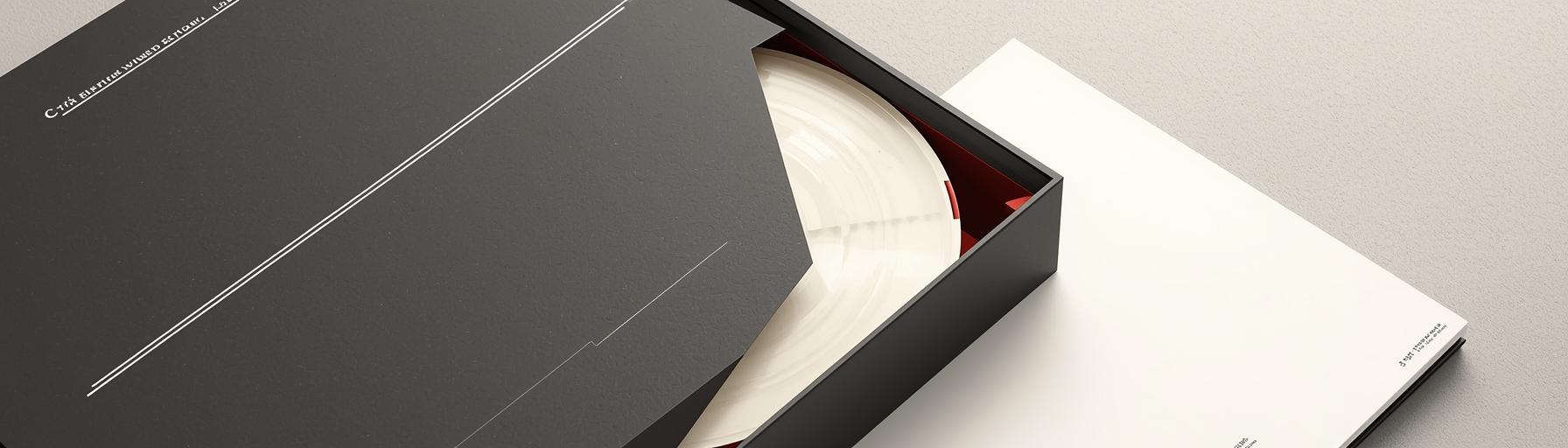
A debut album pressed in just a few hundred copies often becomes a hot item when the artist later achieves mainstream success. Scarce initial runs create a sense of urgency, while even a small production flaw–like a misprinted label or alternate track listing–can transform a standard release into a prized oddity.
Records with unique features, such as a rare color variant or withdrawn cover art, see value surge rapidly when collectors recognize their scarcity.
Confusing a standard reissue for an original pressing remains a frequent pitfall that can lead to overpaying. Details like matrix numbers in the runout groove often provide the critical evidence that separates a valuable original from a common reproduction.
What risks should I watch for when buying

Limited edition vinyl releases often command high prices, especially when demand outpaces supply. Counterfeit pressings and undisclosed reissues can erase a record’s value overnight. Collectors risk disappointment or financial loss when rare items turn out to be fakes or overpriced reprints.
Spotting counterfeit limited editions
Discrepancies in print quality and packaging finish often reveal counterfeit limited edition vinyl releases. Genuine runs usually feature unique serial numbers or holographic stickers that are difficult for fakes to replicate.
- Lower risk of audio defects due to more careful inspection on real editions
- Special inserts or posters included only in the original packaging
- Thicker, higher quality jackets with crisp print details
- Serial numbers or holographic marks often present on genuine copies
- Counterfeiters sometimes use scanned artwork, resulting in slight color shifts or blurry text
- Shrink wrap can be resealed after tampering, hiding signs of prior opening
- Matrix numbers etched into the runout groove may not match official records
- Weight and vinyl color may differ slightly from authentic pressings
Examining the matrix numbers etched into the runout area often exposes a fake within seconds. Comparing the packaging texture and insert quality to known originals helps confirm authenticity.
Avoiding inflated prices and scams
Price volatility for collectible vinyl peaks around major artist anniversaries or reissues. High demand in these periods creates opportunities for price gouging and misleading offers.
Online auction sites often show sudden spikes in closing bids after a record gets media attention. A pressing that sold for average amounts a month before may suddenly double. Sellers sometimes inflate prices by using shill bids, creating the illusion of scarcity.
Reputable dealers regularly reference historical sales data from completed transactions rather than current listings. A record's value can drop sharply if a large batch appears on the market, even when sellers continue quoting outdated prices. Some platforms allow buyer protection claims, but only if the transaction stays within their system.
Buy only after comparing at least three recent completed sales from different sources. Avoid sellers who refuse traceable payment or offer deals through private messages.
A few simple checks can prevent most costly mistakes with collectible vinyl. Knowing what affects authenticity and price helps collectors protect their investments.